

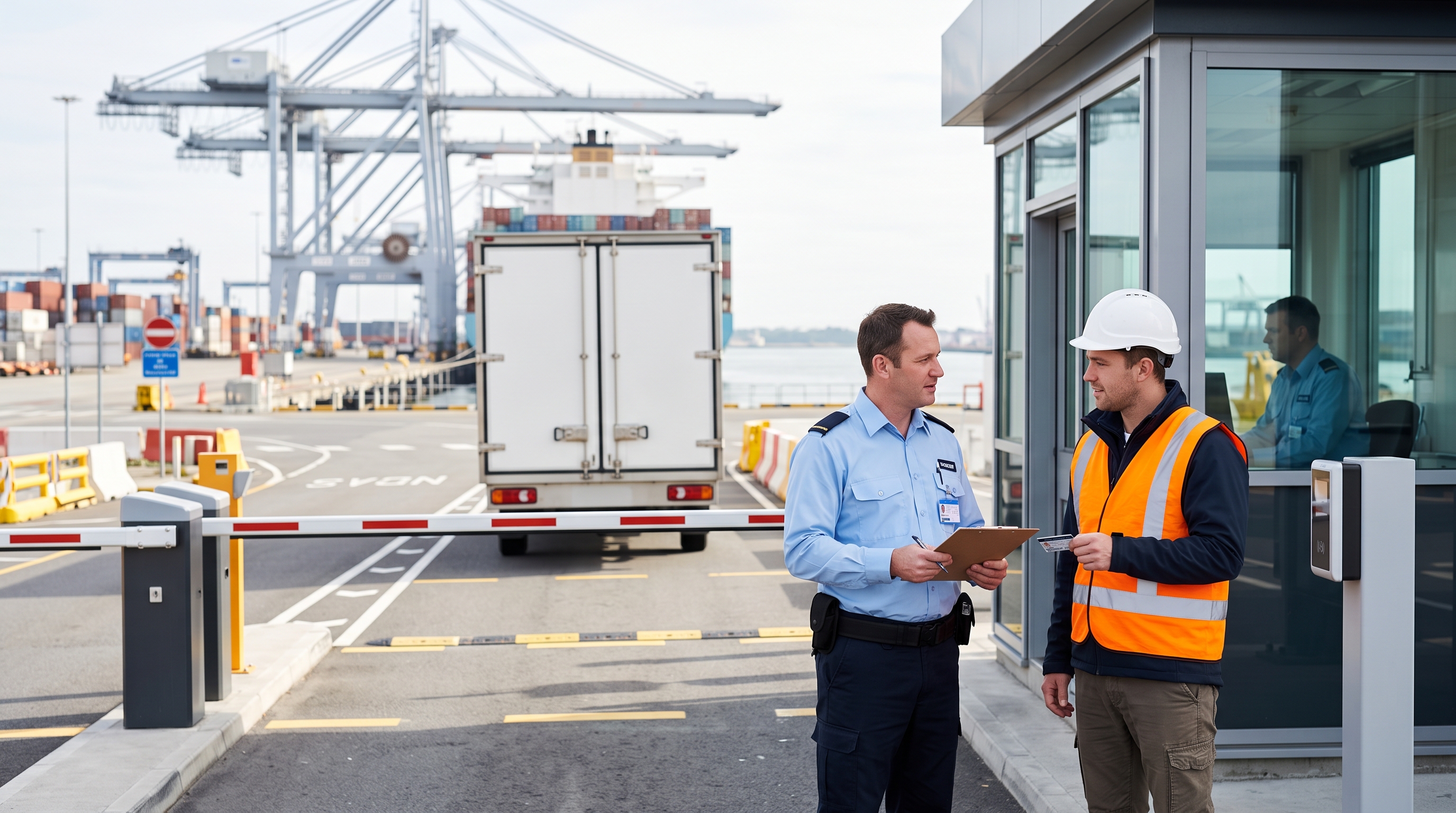
The ISPS Code, or International Ship and Port Facility Security Code, establishes a security framework for ships and port facilities under SOLAS chapter XI-2. Developed by the International Maritime Organization (IMO), it entered into force on July 1, 2004.
How AVS Global Ship Supply supports ISPS port deliveries
Ship stores deliveries at ISPS-regulated port facilities are subject to the applicable access controls and security procedures. AVS Global Ship Supply covers 1,500+ ports in 126 countries through its global ship supply network. Before dispatch, confirm identification, vehicle details, gate passes and delivery documents with the vessel, port agent and facility. Send your requisition, vessel name, port and ETA so supply planning can reflect the approved delivery arrangements.
The ISPS Code was created in direct response to growing global concerns about terrorism, especially after the events of 9/11. It introduced a globally consistent approach to maritime security. Think of it as a security framework that applies to both ships and the port facilities that serve them.
The Code contains mandatory requirements in Part A and implementation guidance in Part B. National or regional rules may make particular guidance provisions mandatory. See IMO’s explanation of SOLAS XI-2 and the ISPS Code.
What It Covers
Here’s what the ISPS Code includes:
-
Three Security Levels
Level 1: Normal
Level 2: Heightened
Level 3: Exceptional or Imminent ThreatShips and ports must adjust their operations depending on which level is in effect. These levels are designed to help everyone know how serious the threat is and how to respond accordingly.
-
Ship Security Plan (SSP)
Ships within the Code’s scope must carry an approved ship security plan that sets out the security measures for the vessel. This includes access control, monitoring, communications, and emergency procedures. -
Port Facility Security Plan (PFSP)
Ports need their own security procedures too. These plans include screening cargo, controlling personnel access, and coordinating with visiting ships. -
Designated Security Officers
Ships and port facilities must assign specific roles:- SSO: Ship Security Officer
- CSO: Company Security Officer
- PFSO: Port Facility Security Officer
Their duties differ by role and include preparing, maintaining or implementing security plans, coordinating security activities and supporting training and drills.
-
Access Control
Controlling access to ships and restricted port facility areas under the approved plans. Measures may include identity checks, searches, monitoring and controls on cargo and ship stores; their application depends on the security level and procedures.
Clearing Up Common Misunderstandings
Many people confuse the ISPS Code with general ship safety regulations. It’s important to understand that SOLAS covers a broad range of safety issues like fire protection, life-saving appliances, and navigation systems. The ISPS Code is specifically about security, not safety.
Another myth is that the ISPS Code only applies to large ships or to certain types of cargo. In reality, it applies to:
- Cargo ships of 500 GT and above, including high-speed craft, engaged on international voyages
- Passenger ships, including high-speed passenger craft, engaged on international voyages
- Mobile offshore drilling units engaged on international voyages
- Port facilities serving these ships
The international scope is explained in IMO’s maritime security FAQ. Confirm the applicable national requirements for the vessel and port facility.
Who Needs to Pay Attention
If you're in the maritime world, chances are the ISPS Code is directly relevant to your job. Here’s who needs to understand and comply:
- Ship officers and crew: Knowing what to do at each security level is critical.
- Port operators: Access control, surveillance, and coordination with vessels are all part of daily operations.
- Logistics and shipping companies: Security procedures can affect port access, delivery timing and coordination. Customs clearance remains a separate process with its own requirements.
- Security contractors: Many ports and ships rely on third parties to implement parts of their ISPS plans.
Even if you're not on deck every day, if you're moving goods by sea, the ISPS Code is protecting your supply chain.
How the ISPS Code Works in Practice
Let’s say a container ship is approaching a high-risk region during a time of regional conflict. The maritime authority may raise the security level from 1 to 2.
Here’s what happens:
- The Ship Security Officer increases access restrictions. Some doors may be locked, and more frequent ID checks are conducted.
- Crew members are briefed on potential risks and how to respond.
- Communications with port authorities become more detailed and formal.
- Security personnel may be posted at strategic points.
- Cargo inspection and documentation are double-checked.
The ISPS Code provides a risk-based framework. It provides a consistent structure but allows room for vessels and ports to tailor their plans based on their size, type, and risk profile.
Wrapping It Up: Why It All Matters
The ISPS Code provides a framework for assessing threats and applying security measures to ships and port facilities. Its effectiveness depends on the people, approved plans and controls used in day-to-day operations.
For professionals in shipping, port operations, and logistics, understanding the ISPS Code isn’t just about ticking a compliance box. It’s about being part of a global system that keeps trade flowing safely and securely.
What are you doing today to strengthen your ship or port’s security posture under the ISPS Code? Whether it’s reviewing your plans, running a drill, or refreshing your team’s training, every step matters.
FAQ: Understanding the ISPS Code in Practice
1. Who enforces the ISPS Code, and what happens if a ship or port does not comply?
SOLAS Contracting Governments implement the framework through their competent authorities. Control measures can include inspections, delays, detention or restrictions on port operations, depending on the circumstances and applicable law. Entry can also be refused in the circumstances provided for by SOLAS. IMO does not maintain an ISPS non-compliance blacklist.
2. How often do security drills or training need to be done under ISPS?
Part A requires drills at appropriate intervals, taking account of the operation and relevant circumstances. Part B recommends quarterly drills and exercises at least once each calendar year, with no more than 18 months between exercises. Exercises can include tabletop formats; follow the applicable national requirements and approved security plan.
3. What is the difference between the Ship Security Officer and the Company Security Officer?
The Ship Security Officer manages the implementation and maintenance of security arrangements on board. The Company Security Officer supports the ship security assessment and plan, coordinates with the ship and port facility security officers, and helps ensure that identified deficiencies are addressed. Their responsibilities connect shipboard procedures with shoreside company support.
4. Can the ISPS Code apply to domestic voyages or small vessels?
Its international scope includes passenger ships, cargo ships of 500 GT and above, and mobile offshore drilling units engaged on international voyages, together with the port facilities serving them. The cargo-ship threshold should not be applied to passenger ships. National rules may extend security requirements to domestic services or smaller vessels.
5. Is cyber security covered under the ISPS Code?
Cyber risk can affect maritime security as well as safety. IMO publishes separate maritime cyber risk guidance and has adopted a resolution addressing cyber risks within safety management systems. It is therefore too narrow to treat cyber security as entirely unrelated to ISPS arrangements; consider the applicable security and safety management requirements.
6. How is the current security level communicated to ships and ports?
The relevant government authorities establish and communicate security levels through official channels. When a ship is in, or intends to enter, a port, it must meet the level required by the Contracting Government for that port if this is higher than its flag Administration's level. Security personnel implement the corresponding approved procedures.
7. Does the ISPS Code affect how cargo and ship stores are delivered?
Yes. Cargo and ship stores are subject to the applicable security controls, including order and document checks, package inspection and access arrangements. For AVS Global Ship Supply requests, provide the requisition, vessel name, port and ETA, then confirm personnel and vehicle requirements with the vessel, agent and port facility before dispatch.
8. What is a preventive ISPS check in practice?
One example is checking that stores presented for delivery correspond to an authorized ship order, with package integrity and delivery vehicle checks performed under the applicable procedures. These controls help identify unauthorized or altered deliveries before acceptance. The exact checks and restrictions depend on the approved plans and current security level.
Prepared by: AVS Global Ship Supply editorial team