SOLAS, short for Safety of Life at Sea, is the international convention setting minimum standards for the construction, equipment and operation of ships. The current framework is SOLAS 1974, as amended, administered internationally through the International Maritime Organization (IMO).
How AVS Global Ship Supply supports safety equipment procurement
AVS Global Ship Supply supports global ship supply across 1,500+ ports in 126 countries. For life-saving appliances (LSA) and fire-fighting appliances (FFA), send item specifications, quantities, vessel details, delivery port, ETA and required approval documents. Request the relevant product certificates and identification with the quotation. Have the vessel’s responsible personnel confirm flag acceptance and suitability before ordering. See our single-contract ship supply guide for coordinating safety items with other stores.
Brief History
- The first SOLAS convention was adopted in 1914 following the Titanic disaster.
- The 1974 Convention entered into force in 1980 and has been amended repeatedly through IMO processes, including the work of the Maritime Safety Committee.
Why It Matters
- Flag administrations are responsible for ensuring that ships under their flags meet applicable requirements.
- Applicability depends on the chapter, ship type, size, voyage, construction date and other conditions specified in the regulations.
- Port State control can examine relevant safety conditions and certificates; deficiencies may lead to corrective action or detention.
Key Components of SOLAS

Chapter Breakdown (Core Framework)
| Chapter | Focus Area |
|---|---|
| Chapter I | General provisions, surveys and certification |
| Chapter II-1 | Subdivision and stability, machinery and electrical installations |
| Chapter II-2 | Fire protection, detection and extinction |
| Chapter III | Life-saving appliances and arrangements |
| Chapter V | Safety of navigation |
| Chapter VI | Carriage of cargoes |
| Chapter IX | Management for the safe operation of ships |
For equipment procurement, life-saving appliance requirements include the LSA Code, while fire protection requirements include the relevant SOLAS provisions and associated technical standards. Determine the specific requirements for the proposed item and vessel before selecting a replacement.
SOLAS in Practice: Benefits, Challenges, and Strategic Application

Benefits for the Maritime Supply Chain
- Defined requirements: a basis for specifying safety equipment and the documents needed to support its acceptance.
- More consistent purchasing: technical requirements can be carried from the requisition into the quotation and purchase order.
- Maintenance planning: equipment condition, service needs and applicable changes can inform replacement schedules.
Implementation Challenges
- Technical detail: equipment selection depends on the vessel, installation and applicable approval.
- Changing requirements: amendments may affect replacement products, documentation or the timing of upgrades.
- Document control: certificates, identification and service records need to remain traceable to the relevant equipment.
Real-World Use Cases
- Ship suppliers: respond to specifications for items such as lifejackets, immersion suits and fire extinguishers, with the requested product documentation.
- Shipowners and managers: establish the vessel’s needs and review proposed products, alternatives and service arrangements.
- Flag administrations and recognized organizations: carry out the relevant survey and certification functions within their authority.
Best Practices for SOLAS Compliance
1. Align Procurement with SOLAS Standards
Start with the vessel’s approved arrangements and technical requirements. Examples include:
- Fire detection and fire-fighting equipment under the applicable Chapter II-2 provisions.
- Immersion suits, lifebuoys and survival craft under Chapter III and the applicable LSA Code requirements.
- Navigation equipment, such as radar or ECDIS, under the applicable Chapter V requirements.
Request relevant type-approval documentation and check that it covers the proposed manufacturer and model. IMO explains that it does not approve individual life-saving appliances; approval rests with national maritime administrations under the applicable provisions. Resolve any question about flag acceptance with the responsible vessel or technical team before purchase.
2026 fire-extinguishing media update: SOLAS amendments prohibit the use or storage of fire-extinguishing media containing PFOS. For ships within the relevant requirements, the prohibition applies to ships constructed on or after 1 January 2026; existing ships must comply no later than their first survey on or after that date. Review affected products and supporting evidence with the responsible technical team. See the IMO 2026 amendments summary.
2. Maintain Valid Certification
Keep the statutory certificates applicable to the vessel current and available as required. IMO’s survey and certification guidance explains the role of flag administrations and authorized bodies. An individual product’s approval documents and the ship’s statutory certificates serve different purposes; retain each in the appropriate equipment or vessel records.
3. Train Crew Continuously
Follow the applicable onboard training and drill requirements, familiarize crew with the actual equipment and maintain the required records. Coordinate equipment delivery with any necessary installation, inspection, servicing or testing. Delivery of a replacement item alone does not establish that the full maintenance or acceptance process is complete.
Frequently Asked Questions About SOLAS
What does SOLAS cover?
SOLAS sets minimum standards for ship construction, equipment and operation. Its chapters address subjects including fire safety, life-saving arrangements, navigation and safety management. The requirements applicable to a particular vessel depend on the relevant regulation and vessel characteristics; operators should use the current amended requirements and their flag administration’s instructions.
What is the difference between LSA and FFA?
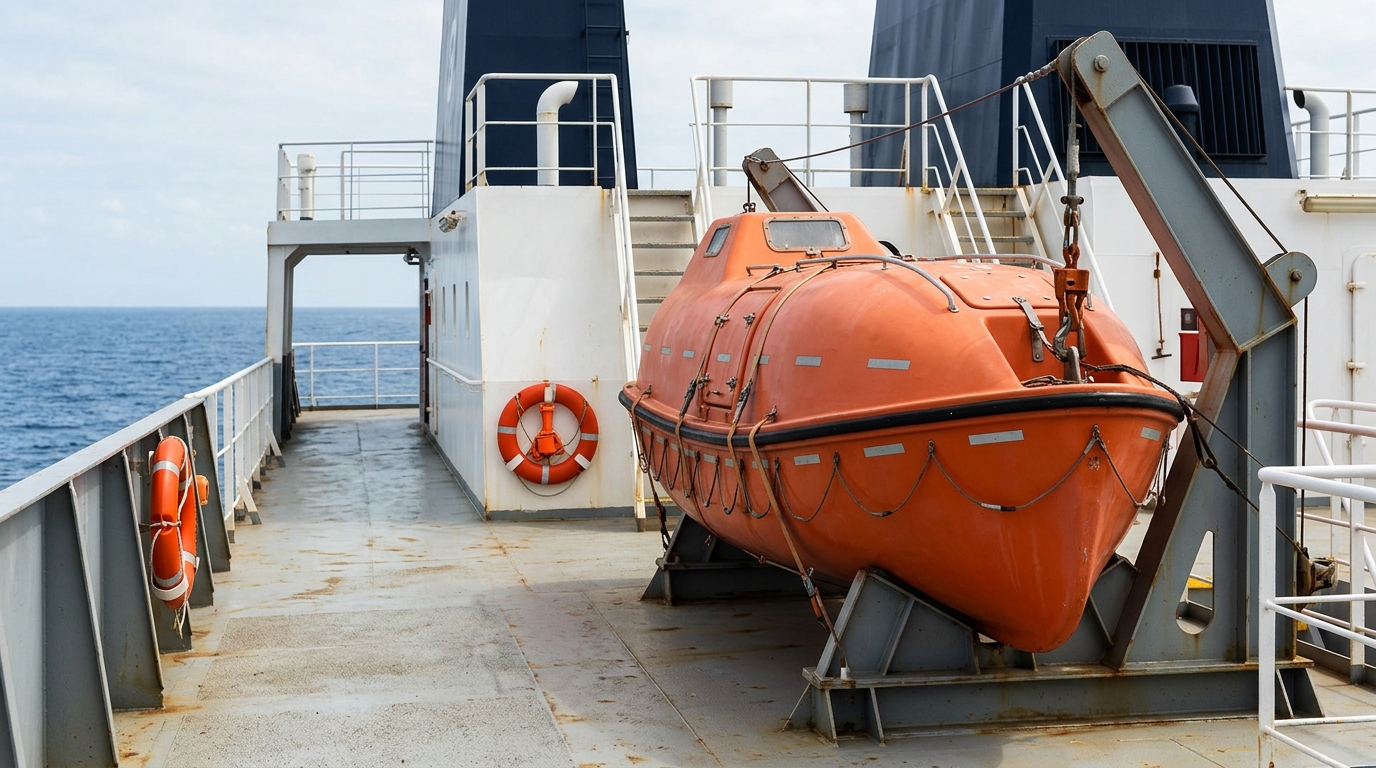
LSA means life-saving appliances, including equipment such as lifejackets, immersion suits and survival craft. FFA means fire-fighting appliances used to respond to fire, such as extinguishers and other specified equipment. Procurement must identify the particular item, its applicable standard and the vessel’s requirements rather than treating either abbreviation as a product specification.
Does IMO approve life-saving appliances?
IMO develops international requirements but does not approve individual life-saving appliances. Approval is the responsibility of national maritime administrations under the relevant SOLAS provisions. When reviewing a proposed product, check its identification, approval documentation and acceptance for the intended vessel instead of relying only on an “IMO approved” marketing statement.
What should a safety equipment RFQ to AVS include?
Send AVS Global Ship Supply the equipment description, maker and model where applicable, quantity, vessel details, delivery port and ETA. State the required approval documents, product identification and any restrictions on alternatives. The responsible vessel or technical team should confirm suitability and flag acceptance before the order is approved.
Next Step: Prepare a Safety Equipment Requisition
List the required LSA, FFA or other safety items with specifications, quantities and required documents. Include vessel details, delivery port and ETA, and identify who will review alternatives and receiving checks. Share the requisition with AVS for assessment of the supply requirement.