

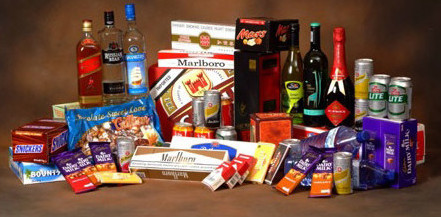
Marine bonded stores are consumables supplied to vessels under customs control, often with duties or taxes suspended or relieved where the applicable rules permit. Eligibility depends on the goods, vessel, voyage and intended use, so a bonded stores order needs both a product specification and a confirmed customs procedure.
How AVS Global Ship Supply supports bonded stores coordination
AVS Global Ship Supply supports bonded stores requests through its logistics and customs services, within a supply network covering 1,500+ ports in 126 countries. Send the item list, pack sizes, quantities, vessel details, delivery port, ETA and intended voyage. Identify the required customs documents and confirm local eligibility, restrictions and release arrangements with the responsible parties before dispatch. See our single-contract ship supply guide for coordinating bonded items with other vessel stores.
Introduction: The Strategic Role of Bonded Stores at Sea
Bonded stores planning connects crew or passenger requirements with purchasing, onboard stock and port formalities. The task is to identify what is needed, how much is already aboard and which goods can be supplied under the relevant procedure. Availability, customs treatment and delivery arrangements should be resolved before the order is released.
What Are Marine Bonded Stores?
The term is commonly used for consumables such as beverages and tobacco handled under customs-controlled arrangements. The World Customs Organization’s Revised Kyoto Convention, Specific Annex J, Chapter 4 distinguishes stores for consumption from stores to be taken away. The applicable national rules determine the procedure for the actual shipment; bonded stores are not universally limited to crew consumption.
For example, HMRC’s UK guidance on excise stores addresses qualifying journeys, authorizations and control of unused goods. Those UK requirements are a jurisdiction-specific example, rather than a worldwide allowance or approval.
Typical Categories of Ship Bonded Stores
- Alcoholic beverages: specify the product, bottle size and quantity, subject to local restrictions and the vessel’s policy.
- Tobacco products: identify the exact product and pack configuration where supply is permitted.
- Confectionery and snacks: state the pack size, quantity and required shelf life.
- Soft drinks and other beverages: distinguish cases, cans and bottles clearly in the requisition.
- Personal-care and recreational goods: confirm product availability and the appropriate customs treatment.
- Other requested items: assess eligibility separately; a product sold in a duty-free shop is not automatically eligible for every ship supply procedure.
Marine Bonded Stores Supply Services by AVS
AVS supports bonded and cabin stores within its broader ship supply activities. Prepare a clear requisition so the product requirement, proposed delivery and customs coordination can be assessed together.
Supply Planning and Documentation
- Item identification: provide descriptions, brands where relevant, pack sizes, units and quantities.
- Vessel and voyage details: include the delivery port, ETA, intended itinerary and intended use of the goods.
- Customs coordination: establish the responsible supplier, agent or customs representative and confirm the permissions and documents required.
- Product handling: state shelf-life, packaging and storage requirements where relevant.
- Receiving checks: reconcile the delivered items, quantities and supporting documents with the accepted order.
| Check | Information to resolve |
|---|---|
| Products | Description, pack size, quantity, intended use and restrictions |
| Eligibility | Applicable customs procedure, vessel and voyage conditions |
| Documentation | Required invoice, packing details, authorizations and declarations |
| Delivery | Port, ETA, access arrangements, receiving contact and charges |
| Onboard control | Receiving records and any required secure storage or release controls |
Where a stores declaration is required, confirm the information and submission method with the responsible parties. IMO lists the Ship’s Stores Declaration (FAL 3) separately from the Crew’s Effects Declaration (FAL 4). A supply invoice, a stores declaration and a declaration of personal effects serve different purposes.
Why Bonded Stores Matter in Maritime Operations
- Crew and passenger requirements: record actual preferences and permitted products without assuming every vessel allows the same selection.
- Customs control: match the goods and quantities to the applicable procedure and permissions.
- Voyage stock planning: consider existing inventory and the planned replenishment interval before ordering.
- Cost visibility: compare quoted goods, tax treatment, handling and delivery charges; the term “bonded” does not by itself establish the final landed cost.
- Traceability: keep the order, delivery details and required customs records consistent.
Local procedures can differ significantly. Singapore Customs guidance on sea stores, for example, sets out permit requirements for duty- and GST-unpaid liquor and tobacco and distinguishes ship spares from sea stores. Check the procedure relevant to the port rather than extending one country’s treatment to another.
Customs status and port security are also separate matters. Delivery personnel and vehicles may need access clearance under the port’s arrangements, but a gate pass does not establish eligibility for duty relief.
AVS Global Edge in Bonded Stores Supply
- Ship supply experience: operations since 1985.
- Network coverage: 1,500+ ports in 126 countries across the broader supply network.
- Related services: logistics and customs services support coordination of the supply requirement.
- Purchasing access: AVS has a ShipServ supplier profile and an RFQ portal.
Confirm the available products and delivery scope for each request. Food handling requirements, customs permissions and onboard controls should each be checked within their own scope.
Bonded Stores for Different Vessel Segments
- Merchant vessels: plan quantities against crew requirements, stock on board and the voyage.
- Cruise and passenger ships: distinguish onboard consumption from any goods intended for passengers to take away.
- Offshore units: confirm the unit’s location, operation and eligibility under the relevant customs procedure.
- Naval and government vessels: establish the applicable procurement and customs arrangements for the specific request.
- Yachts: confirm the vessel’s status and itinerary instead of assuming commercial-vessel relief applies.
Frequently Asked Questions About Bonded Stores
What are marine bonded stores?
In ship supply, marine bonded stores are consumables supplied under customs control, potentially with duty or tax suspension or relief where local rules permit. Common requests include beverages, tobacco and selected personal-use goods. The customs status depends on the goods, vessel, voyage and intended use; product category alone does not establish duty-free eligibility.
Are bonded stores rules the same in every country?
No. Customs authorizations, eligible voyages, permitted quantities, storage controls and treatment of unused stores differ by jurisdiction. Confirm the current requirements for the delivery port and itinerary before dispatch. A previous order or a permission issued at another port is not sufficient evidence that the same procedure applies to the next supply.
Can AVS supply bonded stores worldwide?
AVS Global Ship Supply has a ship supply network covering 1,500+ ports in 126 countries. For a bonded stores request, the proposed goods, availability, customs eligibility and delivery arrangements still need confirmation for the particular port and voyage. Share the requisition and vessel schedule so the relevant supply and documentation requirements can be assessed.
Do food safety certificates establish duty-free eligibility?
No. Food safety documentation and customs eligibility address different questions. For food or beverage items, specify the required shelf life, storage conditions, packaging and any relevant supplier documentation. Separately confirm the customs status, permissions and release arrangements. A food safety certificate is not evidence that a particular shipment is entitled to tax relief.
How can I request bonded stores from AVS?
Send AVS Global Ship Supply an RFQ with product descriptions, preferred brands if relevant, pack sizes, quantities, vessel details, delivery port, ETA and voyage information. State the intended use, restrictions on alternatives and requested documents. Ask the quotation to identify the proposed tax treatment, charges and any approvals or information needed before dispatch.
Conclusion & Call to Action
Bonded stores purchasing works best when the product list, intended use, voyage details and customs requirements are agreed before dispatch. Send AVS your requisition with quantities, pack sizes, vessel details, delivery port and ETA so the supply and documentation scope can be assessed.